Car Towing for Vehicles in Limp Mode or Showing Warning Lights
Modern vehicles are built with intelligent systems that can detect faults before they cause serious damage. Warning lights and limp mode are two of the most common signs that your car needs attention — and sometimes, that means it shouldn't be driven at all. In these cases, car towing becomes a safe and practical solution.
This guide explains what limp mode is, what different warning lights mean, and when calling a professional towing service is the best move.
What Is Limp Mode and Why Does It Happen?
Limp mode, also known as "safe mode," is a feature built into most modern cars. It’s designed to protect the engine and transmission when a fault is detected. If your vehicle enters limp mode, you'll usually notice a loss of power, reduced speed, and limited gear options. This is intentional — the car is trying to prevent further damage until it can be repaired.
Limp mode can be triggered by a variety of issues, including transmission faults, sensor failures, turbocharger problems, or engine misfires. It’s often accompanied by dashboard warning lights, such as the check engine light. While the car might still be driveable for a short distance, continuing to drive in limp mode without addressing the cause can lead to more serious and costly damage.
In many cases, drivers aren't sure whether it’s safe to continue their journey. This uncertainty is why towing is often the smarter option. Instead of risking further harm to your vehicle, calling a trusted car towing professional ensures your vehicle is moved safely to a repair centre without adding to the problem.
What to Do When Warning Lights Appear
Warning lights are your vehicle’s way of telling you something isn’t right. While some alerts are minor, others can signal serious mechanical issues that need immediate attention. Here’s how to handle them safely and sensibly:
- Know which lights matter:
Basic alerts like low fuel or tyre pressure are usually non-urgent. However, red lights for the engine, battery, or oil pressure can point to critical problems that require urgent action. - Stop when it’s safe:
If a red warning light appears, pull over as soon as it’s safe and switch off the engine. Continuing to drive could cause serious damage or even result in a complete breakdown. - Refer to your manual:
Your owner’s manual can help identify what the warning light means. But if your car feels sluggish, unresponsive, or begins to overheat, don’t take chances — it’s best to stop driving. - Search for local help:
In urgent situations, many drivers search online fortow trucks near meto find fast, local assistance. This ensures your vehicle can be moved without risking further damage. - Let professionals handle it:
A trained technician can tow your car to a garage for diagnostics, preventing additional issues. Whether you're at home, on the road, or stuck in traffic, expert towing is the safest option when warning lights appear.
Why You Shouldn’t Drive with Limp Mode or Engine Warnings
Driving while your vehicle is in limp mode or displaying engine warnings might seem harmless at first, especially if the car is still moving. However, these features exist for a reason — to protect vital systems from damage.
Limp mode often limits RPM, power output, and gear usage, making the vehicle difficult to drive in normal traffic. Attempting to continue driving in this state can damage the engine, transmission, or other components. For example, an overheating engine could result in a warped cylinder head, or a failing transmission could seize entirely.
Some drivers ignore dashboard lights, assuming they’re minor. But continuing to drive with engine warnings can escalate the fault. What could’ve been a simple fix might turn into a costly engine rebuild.
In these cases, contacting a car towing service is the best course of action. Rather than pushing the car until it fails completely, recovery professionals can safely tow it to a qualified repair shop. This not only protects your vehicle but also keeps you safe from the risk of sudden breakdowns in dangerous locations.
What Vehicles Are Commonly Towed Due to Warning Lights or Limp Mode?
Warning lights and limp mode can affect any type of vehicle, not just modern ones. These features are built into a wide range of models to help prevent serious damage. Here are the most common scenarios where professional towing becomes necessary:
- All vehicle types are affected: Whether new or old, any vehicle can display warning lights or go into limp mode. Older cars often use simpler dashboard symbols, but they still indicate faults that should not be ignored.
- Daily commuters: Cars used regularly for city driving face increased wear on the engine and transmission. Stop-start traffic, especially in areas like Coventry, puts constant strain on mechanical components.
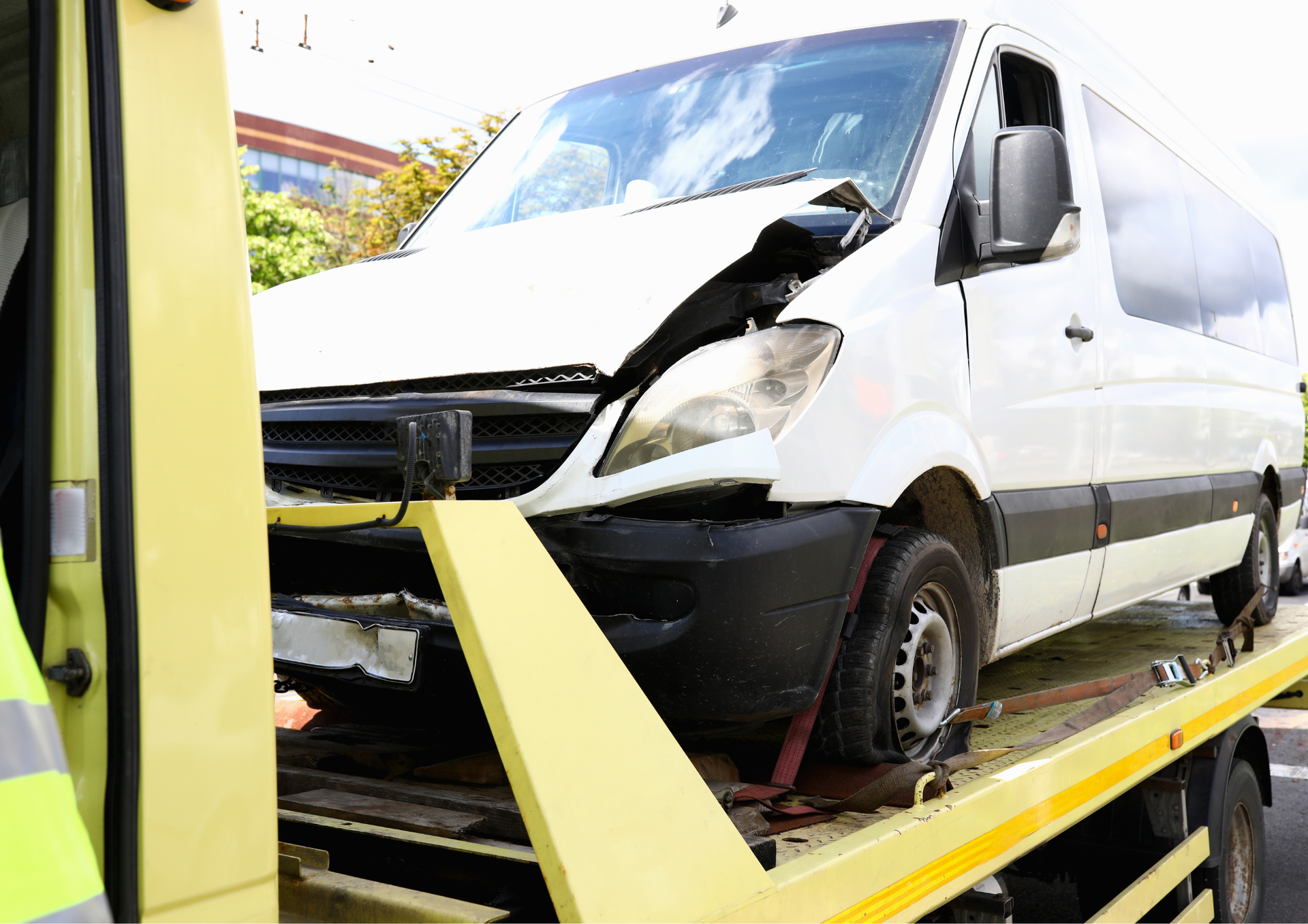
- Vans and light commercial vehicles: These are prone to issues when heavily loaded or used intensively for deliveries. Overuse or poor maintenance can trigger dashboard warnings or reduce drivability.
- Infrequently used vehicles: Cars left idle for long periods may develop battery faults or sensor errors. These issues often surface on startup, leading to limp mode or a refusal to start entirely. If restarting fails, towing is usually the best option.
- When self-recovery fails: Drivers often call with requests like tow my car after multiple failed attempts to restart. This is a clear sign that professional towing is safer than further troubleshooting.
- Non-roadworthy vehicles: Older or severely damaged cars with repeated system faults or engine failure may not be worth repairing. In such cases, arranging junk car towing is more practical than continuing to invest in costly fixes.
No matter the vehicle's age, usage, or condition, towing is the safest way to transport it to a repair centre — and often the smartest choice for preventing further damage.
Warning lights and limp mode are not features to ignore. They’re early signs that something isn’t right under the bonnet — and continuing to drive could lead to serious and expensive damage. When these alerts appear, knowing when to stop and call for help is critical.
Professional car towing services give you a safe alternative to driving a compromised vehicle. Whether it’s an engine warning, gearbox fault, or a complete loss of power, recovery experts have the tools and experience to transport your car safely and prevent further issues.
At
Car Recovery Coventry, we understand how unsettling it is to see a warning light flash or to suddenly find your vehicle in limp mode. Our team is on hand 24/7 to help you make the right decision — and to tow your car safely wherever it needs to go.
We provide fast, professional service across Coventry and surrounding areas, using the latest equipment to ensure your vehicle is protected during transport. Whether your car is showing signs of engine trouble or simply refuses to move, we’re here to help.
Just out on X:
Car towing explained for vehicles in limp mode or with warning lights!
You might also like